Lightweight Fabrics: What 130 gsm Tells You About a Sun Shirt
Compare fabric weight alongside UPF, construction, fit and care. No single GSM value guarantees a comfortable, durable sun shirt.
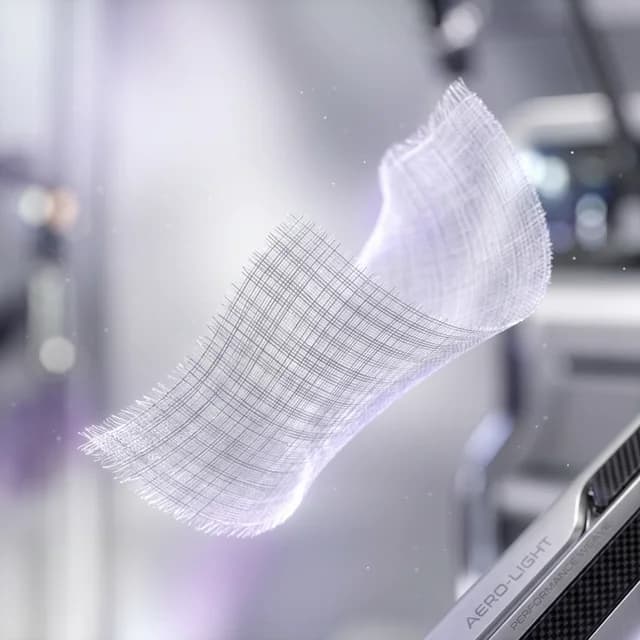
Fabric weight is useful when comparing shirts for hiking, running or travel. Start with GSM.
Imagine hiking in a heavy, stiff fabric: it may feel restrictive even if it resists wear. A lighter fabric can feel easier to move in, but its construction still matters.
One weight you may see in performance clothing is 130gsm. Use it as a reference when comparing specifications, not as proof of sun protection or durability.
Table of Contents
Visual buying guide
Look at drape, then read the fabric specification
GSM describes fabric mass per square metre. Compare that specification separately from the exact garment’s UPF rating and construction.
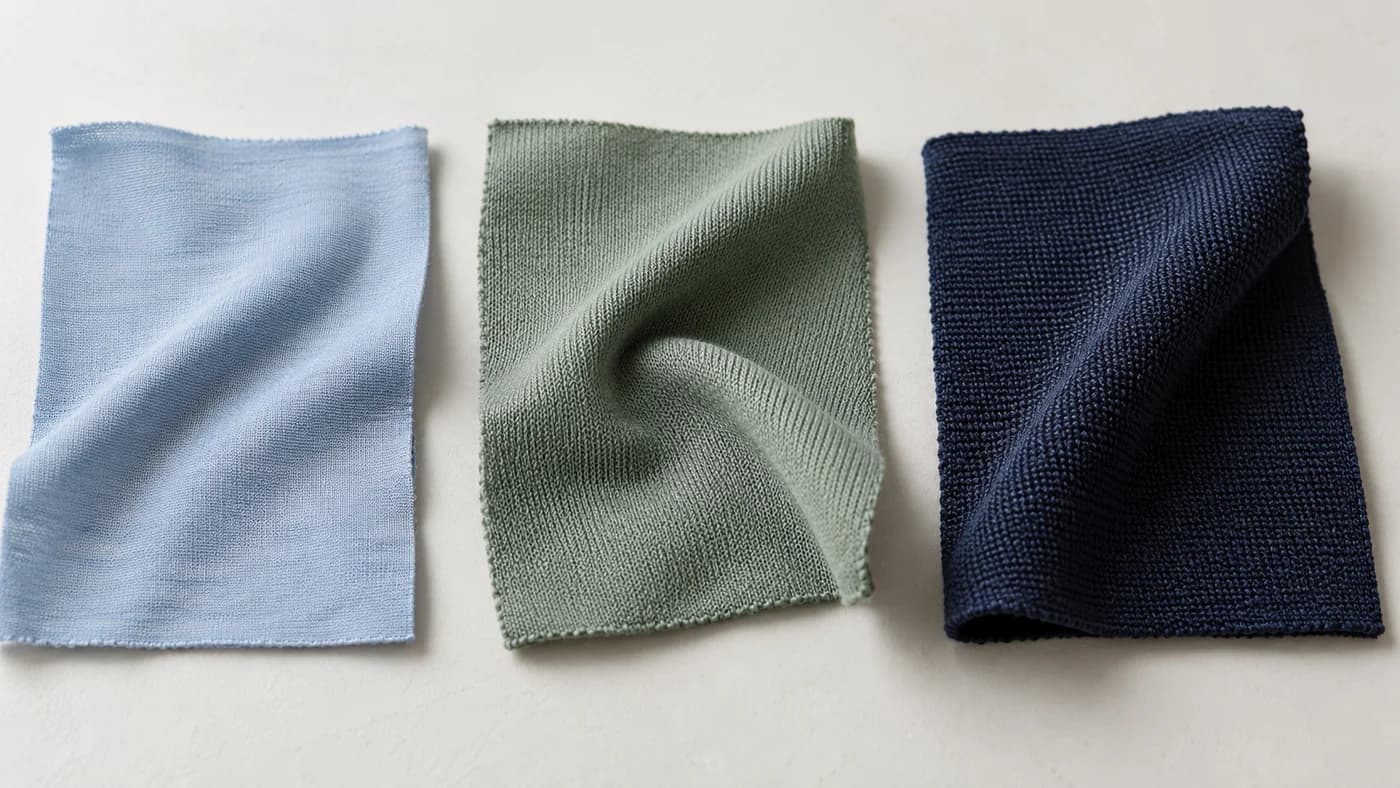
Light drape
Inspect transparency, seams and how the fabric hangs. An airy appearance does not establish a UPF rating.
Everyday movement
Check fit and stretch for the intended activity. A fabric-weight number is one comparison point, not a complete comfort score.
Denser construction
Check the published material and care instructions. A thicker-looking knit does not prove durability or sun protection.
AI-generated fabric examples. The swatches have not been weighed, UV-tested or compared for durability; no measured GSM is assigned to the pictured samples.
1. What is GSM? The Metric of Mass
GSM stands for Grams per Square Meter. It describes the mass of fabric per unit area.
A one-meter square of fabric weighing 130 grams has a fabric weight of 130 gsm. That is not the weight of the complete shirt.
GSM helps compare the amount of material used. It does not measure airflow, UPF, drying speed or resistance to abrasion.
- Low GSM (Under 100): Lightweight fabrics. Check construction and the stated UPF rather than assuming they are either protective or unprotective.
- Medium GSM (120-160): A range used in some lightweight clothing. Comfort, coverage and snag resistance still depend on the specific fabric.
- High GSM (200+): Heavier fabrics may suit cooler conditions or workwear. Their suitability for heat depends on construction, fit and ventilation.
2. History: The Ultralight Revolution
Fiber choice and construction allow manufacturers to build fabrics with different weights and uses.
The Heavy Ages
Heavy woven fabrics can offer useful structure for workwear. Their weight and stiffness may be less suitable for a running or travel shirt.
Compare the intended use as well as the number on the specification sheet.
The Nylon Shift (1940s)
Synthetic fibers such as Nylon are used in lightweight outdoor equipment as well as clothing. A fiber name alone does not tell you how a shirt performs.
Ripstop construction uses reinforcement threads in a grid. It is one feature to compare when a manufacturer documents it; it does not guarantee a particular service life.
The Modern Era
Specialist outdoor equipment also uses materials such as Dyneema Composite Fabric (DCF) . Properties advertised for equipment fabrics should not be copied onto an unrelated shirt.
SleeveShirts compares clothing rather than manufacturing it. We look for model-specific evidence of coverage, fit, care and durability.
3. The Physics of Breathability vs. Durability
A shirt can involve tradeoffs between weight, ventilation and resistance to wear. Evaluate each property separately.
For fabrics, the battle is between Permeability (Breathability) and Density (Durability/Protection).
The Durability Problem
A heavier fabric contains more material per square meter. That may be useful for some garments, but it does not guarantee that they last longer.
Result: Compare abrasion information and construction. GSM alone cannot predict either wear resistance or airflow.
The Breathability Problem
A lower GSM indicates less fabric mass per square meter. It does not necessarily mean a looser knit or weave.
Result: Check the finished garment's airflow claims and UPF. Avoid substituting fabric weight for either measurement.
What does GSM tell you?
GSM means grams per square metre. Use it to calculate the mass of a piece of fabric. Airflow, drying, abrasion resistance and UPF require separate evidence.
80–250 g/m²; a working range for this example, not a recommended limit.
Calculated fabric mass
5.20 g
130 g/m² × 0.0400 m². At 130 GSM, a 20 × 20 cm swatch weighs 5.20 g.
This excludes seams, trims and other garment parts. A shirt’s total weight in grams is a different measurement.
A laboratory measurement also specifies sampling and conditioning. See ASTM D3776/D3776M: mass per unit area. This calculator performs arithmetic; it does not test fabric.
4. Compare 130 gsm with the Whole Garment
Use 130 gsm as a fabric-mass reference, then compare construction, fit and the documented UPF.
1. Enhanced Air Permeability:
Airflow depends on openings in the fabric, garment fit and conditions. Two fabrics at 130 gsm can behave differently; a heavier fabric is not automatically less breathable.
2. Verify the garment’s UPF:
A fabric at 100 gsm can have a different UPF from one at 130 gsm. Read the product's rating, such as UPF 50 , and its test scope. Stretch can affect UV transmission, but a fixed drop cannot be predicted from GSM alone.
A 130 gsm specification does not establish UPF 50+ or prove that protection is unchanged when wet or stretched.
3. Structural Integrity:
Look for published construction and abrasion information, then check the shirt where straps, seams and equipment contact it.
5. Testing Standards (ASTM D3776)
Fabric mass can be measured with ASTM D3776/D3776M: Mass Per Unit Area (Weight) of Fabric. The method specifies sampling and conditioning. A small swatch describes that specimen; it cannot establish the average of an entire fabric roll.
This standard addresses mass per unit area. It does not certify comfort, durability or UPF, and we have not performed this test ourselves.
Option C: Small Swatch of Fabric
Weigh a fabric sample of known area and convert its mass to grams per square meter.
Consistent fabric mass is one quality-control measure. It cannot replace checks of construction, UPF or garment fit.
6. Thermodynamics: Convective Cooling
Your body cools itself in four ways: Radiation, Conduction, Evaporation, and Convection.
Fabric weight does not determine which heat-transfer processes occur. In hot conditions, airflow and moisture management can affect evaporation and convection.
Compare how the complete shirt feels during the intended activity. GSM alone cannot tell you how much heat it will trap.
Fit and fabric thickness also matter. A low weight is only one part of a useful comparison.
Comfort depends on the garment and conditions. For more on sweat management, see Moisture-Wicking Magic.
7. Material Comparison Table
These fabric-weight examples are comparison points. They do not establish UPF, airflow or service life.
| Fabric Type | Illustrative GSM | Primary Use | Trade-off |
|---|---|---|---|
| Ultra-Sheer Mesh | 80-100 gsm | Liners, Running Singlets | Verify UPF and wear requirements |
| Example lightweight fabric | 130 gsm | Sun Protection / Active | Check construction, fit and UPF |
| Standard Cotton Tee | 150-180 gsm | Casual Wear | Heavy when wet, Slow drying |
| Heavy Denim | 300-450 gsm | Workwear | Check construction and intended use |
Sources and limits
SleeveShirts compares published information and has not tested fabric mass, airflow, abrasion or UPF. GSM is a mass measure; the rating belongs to the tested fabric.
8. Frequently Asked Questions (FAQ)
What does GSM mean in fabric?
GSM stands for Grams per Square Meter. It measures fabric mass per unit area. A higher value means more mass in the same area, not necessarily greater thickness or better performance.
Is a higher GSM better?
Choose for the intended use. Compare weight with construction, coverage, fit and care instead of treating a higher or lower GSM as universally better.
Does lightweight fabric block UV rays?
Yes, a lightweight fabric can carry a UPF rating. Confirm the exact garment's label and coverage; 130 gsm or a synthetic fiber name alone does not establish protection.
How durable is 130gsm fabric?
You cannot infer service life from 130 gsm. Check construction, care requirements and any documented abrasion information, especially if you use a backpack.
Feel the Difference
Compare lightweight shirts by their published UPF, fit and care requirements before choosing one for your trip.
As an Amazon Associate, we earn from qualifying purchases. This helps support our research at no extra cost to you.